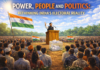


Is India’s electoral system evolving into a space where influence, visibility, and resources matter more than representation?
When political campaigns grow larger, more expensive, and more competitive, an important question emerges — whose voice truly shapes the direction of the nation?
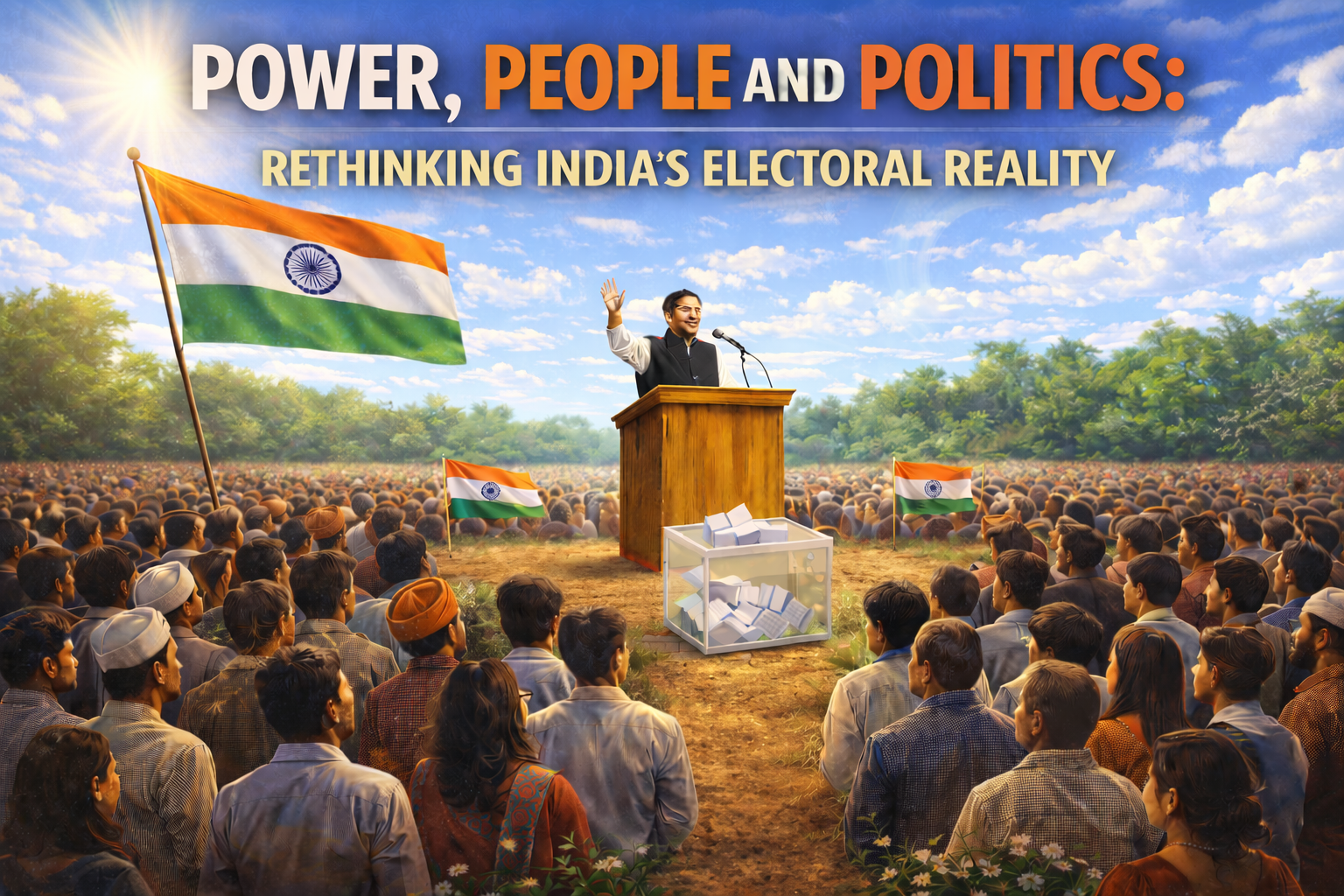
India’s elections are often celebrated as the world’s largest democratic exercise. From crowded rallies and intense debates to digital campaigning and grassroots mobilisation, elections reflect both the strength and complexity of Indian democracy. Yet behind the spectacle lies a deeper conversation about representation, accessibility, and the realities of political power.
The Scale and Symbolism of Indian Elections
Every general election brings with it a surge of hope and expectation. Millions of voters participate, believing their vote can influence governance, development, and social change. Political campaigns have transformed over time — moving from traditional public meetings to data-driven strategies, social media outreach, and highly organised ground operations.
The sheer scale of elections today highlights the vibrancy of democracy, but it also raises concerns about the growing role of financial resources, branding, and strategic alliances in determining electoral success.
Representation vs Reality
One of the central debates surrounding elections in India is whether elected representatives reflect the socio-economic realities of the people they serve. While democracy promises equal opportunity, the cost of contesting elections and sustaining campaigns can create barriers for candidates without strong financial backing or organisational support.
This growing gap between the everyday voter and the political class has led many observers to question whether political participation is becoming increasingly exclusive. As campaigns expand in scale, access to funding, networks, and visibility often becomes a deciding factor.
The Changing Nature of Political Competition
Indian politics today is shaped by intense competition between national and regional parties, coalition dynamics, and rapidly changing voter expectations. Campaign narratives now focus not only on ideology but also on development models, welfare schemes, and leadership image.
Technology has played a major role in reshaping campaigning — live broadcasts, digital messaging, and targeted outreach allow leaders to connect with voters instantly. While this has improved communication, it has also amplified the pressure to maintain strong public perception and media presence.
Challenges Facing Electoral Democracy
Despite its strength, the electoral process continues to face structural challenges:
- Rising campaign costs that can limit participation from grassroots candidates
- Influence of funding and alliances in shaping policy priorities
- Public perception gaps between promises made during campaigns and governance outcomes
- Growing polarisation driven by competitive political narratives
These challenges do not diminish the value of democracy but highlight the need for continuous reform, transparency, and citizen awareness.
The Voter’s Role in a Transforming Political System
Ultimately, the strength of Indian elections lies in its voters. From urban youth to rural communities, citizens continue to shape political outcomes through participation and debate. Awareness, informed decision-making, and engagement beyond election day remain essential for maintaining a balanced and representative democracy.
As India’s political landscape evolves, elections will continue to reflect both aspiration and reality — a space where ideals meet practical governance, and where the future of democracy depends not only on leaders but on the choices made by millions of voters.
Looking Ahead
India’s electoral journey is still unfolding. Whether the system becomes more inclusive or more concentrated will depend on reforms, public discourse, and the willingness of institutions to adapt to changing times.
Because in a democracy as vast as India, elections are not just about winning seats — they are about shaping the direction of a nation and ensuring that every voice, regardless of status or wealth, has the opportunity to be heard.